Thoughts on Star Trek: Strange New Worlds Season 4
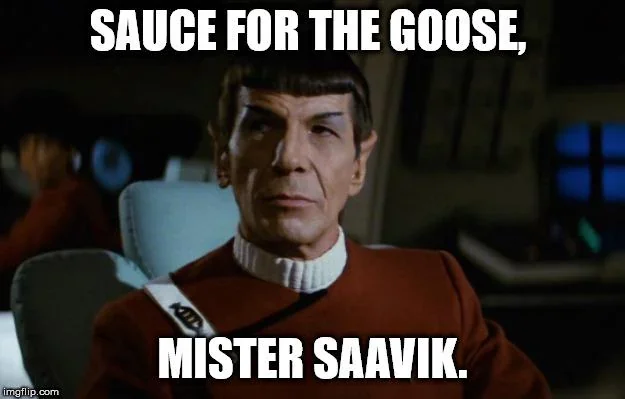
When the pilot of Strange New Worlds launched, I was cautiously optimistic that after years of Trek turning into something unrecognizable we had returned to the roots of exploration and adventure. Season One, like most shows, had some missteps, devolving into Star Trek: Discovery-ish nonsense at times where non-stop action and plot twists were used as sauce to mask the undercooked plot.
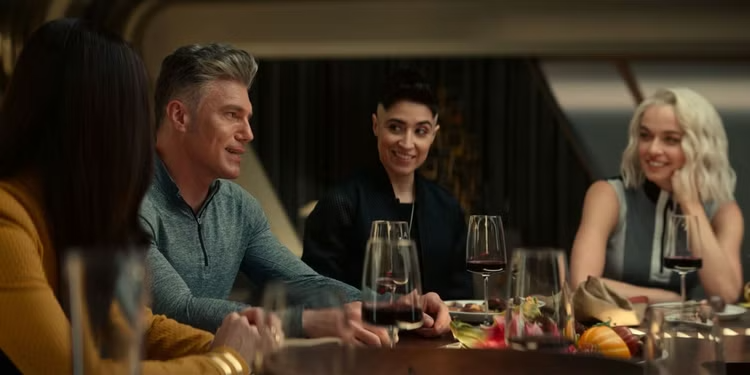
At other times, though, it took a refreshing breath, having entire scenes where the crew ate dinner with the captain, discussing their careers, or adventures where they beamed down to a planet with a strange and wondrous environment. It seemed to live up to its name of Strange New Worlds.
My main critique of Season One was that it lost the rhythm of classic Trek, in particular Next Generation Trek, which had an A/B plot structure. The A plot was the main problem to solve, while the B plot was usually a lesser character-driven crisis. Ideally, resolving the B plot helped the character contribute to the A plot solution. In short, it was just the right amount of plot for one hour. Season One (and most modern Trek) often devolved into multiple character and plot crisis in the same episode, not trusting the viewer to maintain focus for more than five minutes. Main characters have karate battles in front of pending warp core breaches while each reveals some deep dark secret about their history, while simultaneously another group of character have their own life-and-death drama unfolding in a shuttle bay. My lesser tinge was that the plots were immediately identifiable as a repurpose of other plots from classic Trek, often with one element flipped. For example, when I first watched “Children of the Comet” (ST: SNW S1E2), I immediately thought, “Oh, it’s ‘For the World is Hollow and I Have Touched the Sky’ from ST:TOS’, except the people aren’t inside the comet. Same set up, though.”
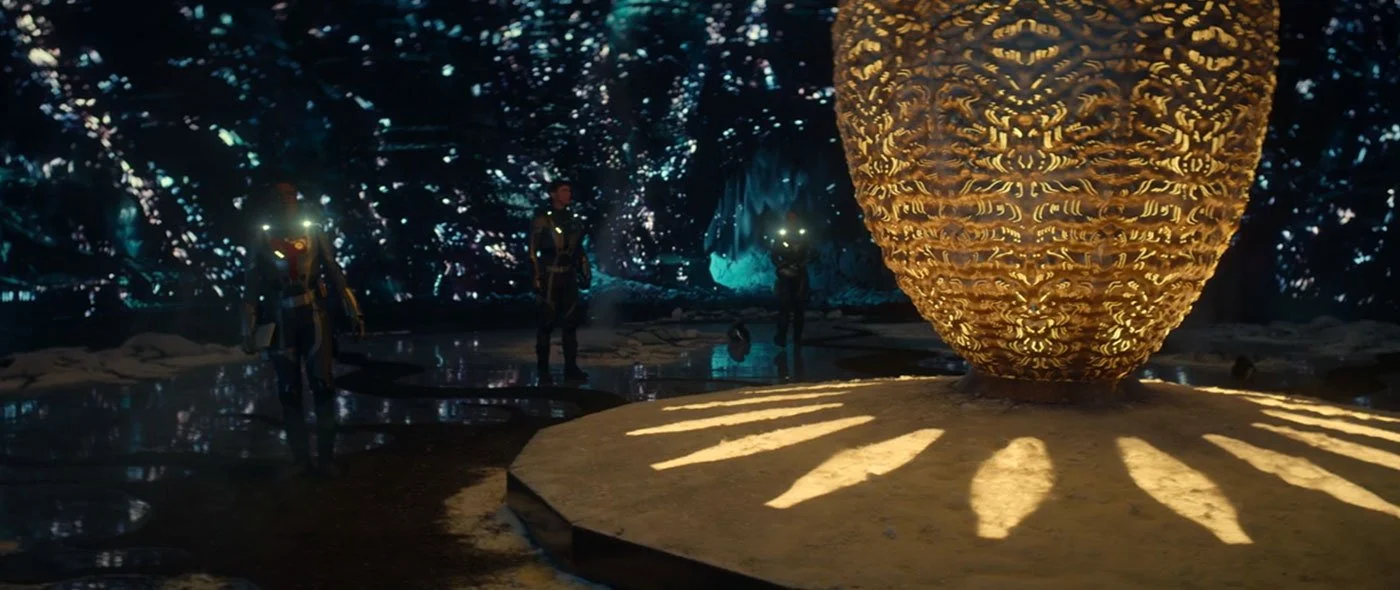
ST:SNW “Children of the Comet”
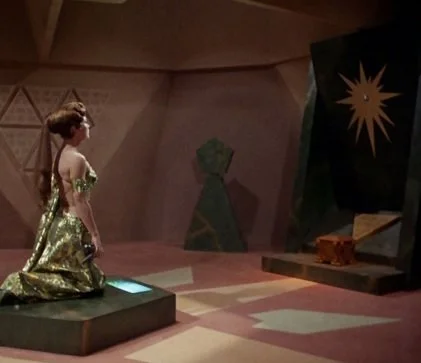
ST: TOS “For the World is Hollow and I Have Touched the Sky”
At first I thought this was to reinforce nostalgia, but as this became the norm I suspected it was lazy writing. I envisioned the writer’s room having a wheel of classic Trek episodes they spun during brainstorming, then said “but” and spun it again. “The crew beams down to find a missing Starfleet captain has used his knowledge to rule the technologically inferior locals” (ST:TOS “Patterns of Force”) BUT “The crew develops amnesia and can’t remember who they are” (ST:TNG “Conundrum”).
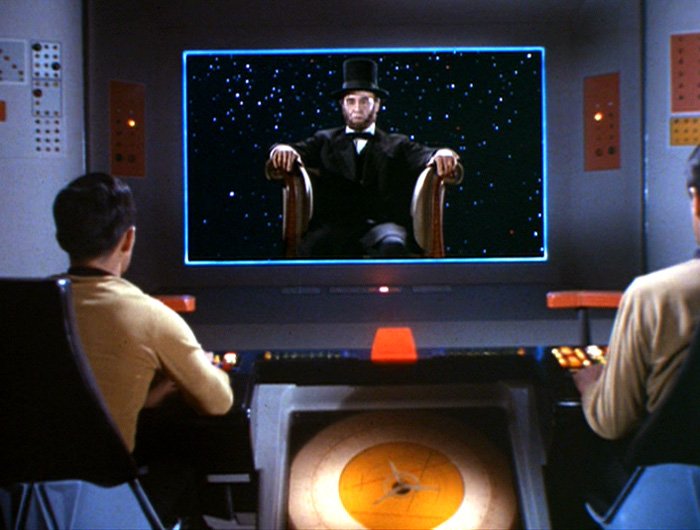
In later seasons, the idea mining has expanded to other shows and genres. Many people criticized the musical episode as stealing the idea from Buffy the Vampire Slayer, but I enjoyed the musical episode. It was character-driven, showed me something I hadn’t seen before, and plenty of other series have done musical episodes. Despite it being “not serious”, I actually thought it was very Star Trek, in the same way that I thought the Lower Decks cross-over was very Star Trek. Both celebrated the Trek universe and characters. I think sometimes people forget just how campy the 60s series could be, with giant glowing green hands grabbing the Enterprise, Spock losing his brain with his body being directed by McCoy’s 4-button remote control, or Abraham Lincoln floating on his chair in space.
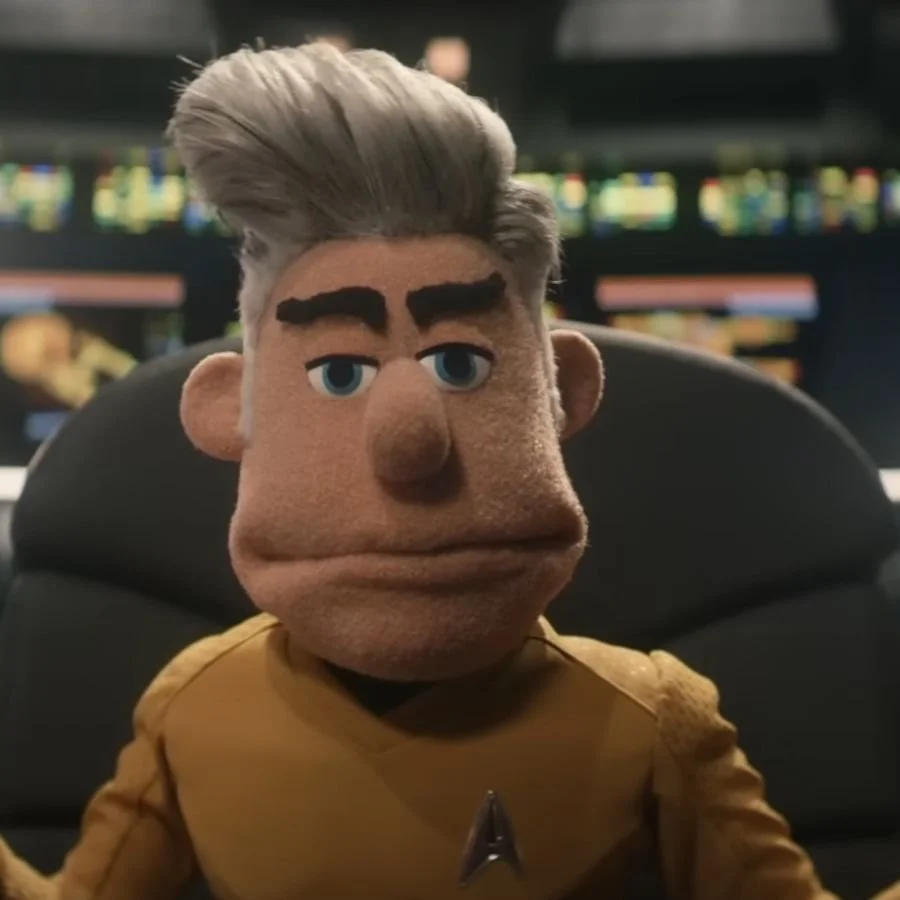
Season Four telegraphed its campiness with the teaser of Pike as a Muppet and fans have been waiting to pounce. Pounce time is upon us with the release of the much-maligned Muppet Trek. We’re five episodes in and, like previous seasons, at best it’s mixed. Shows like The Next Generation went through one or two bumpy seasons before finding their stride, then consistently delivered. Strange New Worlds just wanders all over the place, constantly trying a new gimmick. It’s not even a throw-spaghetti-on-the-wall-and-see-what-sticks approach, as they don’t wait around to see what sticks. They just move onto a new goopy food. I wish it would just settle and be a Star Trek show. The episodes so far:
"Valles Marineris"
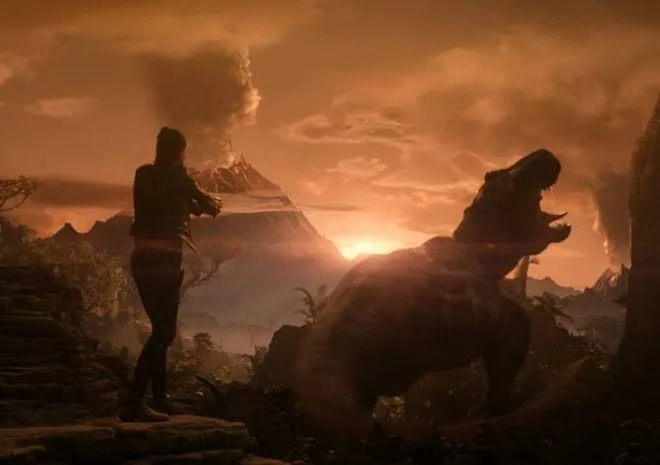
The plot: The Enterprise gets pulled into an anomaly and time travels to Earth during the dinosaur era. They discover Mars has a technological civilization that is at war with another unknown planet in the solar system. In resolving the conflict, the Enterprise creates both the comet that killed the dinosaurs and the anomaly that brought it there.
The plot it appears to be repurposing: “All Good Things” from ST:TNG, where the Enterprise creates the anomaly that extends into the past and future, interfering with the formation of life on Earth.
The verdict: The resolution, where Pike simply allows the Martians to genocidally destroy an entire populated planet, is very un-Trek, regardless of his realization it is necessary for the timeline.
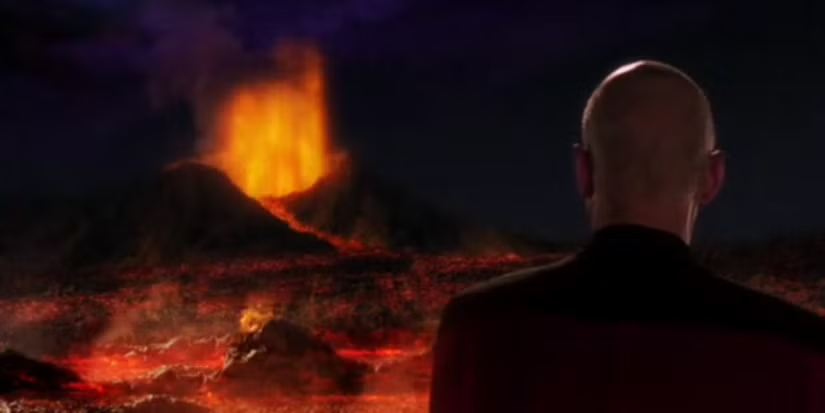
ST:TNG “All Good Things”. Q brings Picard to Earth’s distant past to see how the Enterprise has upset the formation of life on Earth
"The Griffin Incident"
The plot: The Enterprise discovers a ghost ship. Several crew members are trapped aboard and experience terrors, each terror an amplification of some aspect of their anxieties.
The plot it appears to be repurposing: The movie “Event Horizon”. Ghost ships certainly are a staple of scifi, however, so I’ll cut them a little slack.
The verdict: The episode delves into gory gross-out scares, with Kirk’s brother graphically having his intestines pulled out into a hull breach, Pike dicing his own fingers with a chef’s knife, and Spock cutting off his ears with scissors. TNG occassionally had some gore, such as the infamous head-phasering-exploding of “Conspiracy”, but this was too much. I’d be okay with a ghost-ship-crew-is-going-mad episode, but the deliberate push into R-rated horror was jarring.
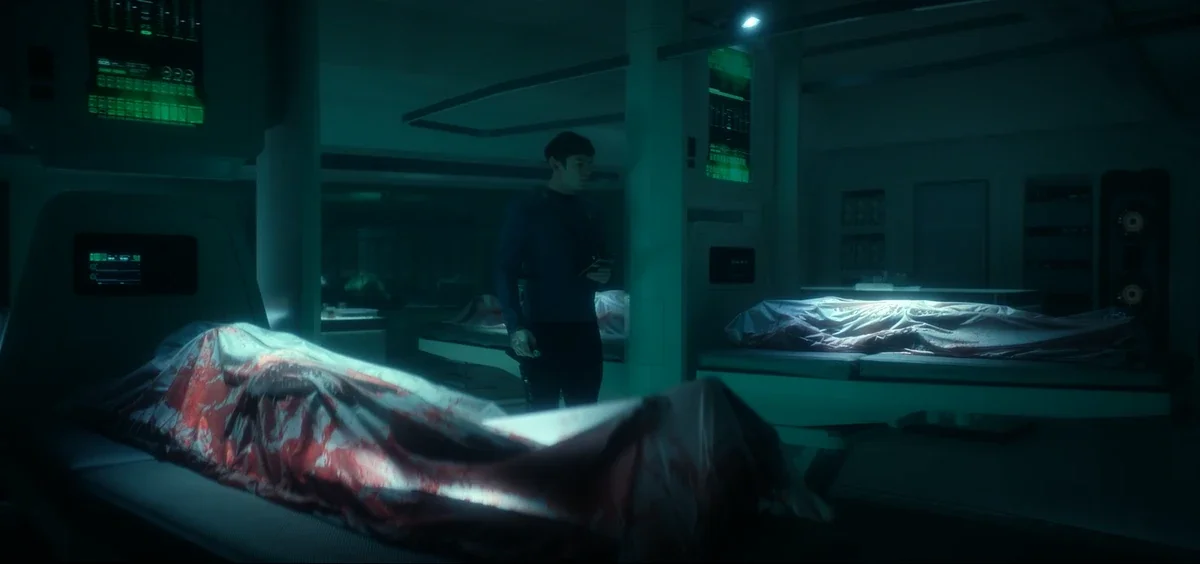
ST:SNW “The Griffin Incident”. Of course you know one of those body bags is going to sit up behind Spock when he isn’t looking
"Human Best Friend"
The plot: The crew takes shore leave on a Risa-like recreation planet where you get drunk just by breathing the atmosphere. They wake up, hungover, unable to remember where they left the shuttle and must backtrack the night’s events to solve the mystery.
The plot it appears to be repurposing: The movie “The Hangover”, right down to Pike’s face tattoo.
The verdict: I frowned at them simply doing The Hangover in space, but the episode itself was light and silly and at times genuinely funny. TOS had its fill of light and funny episodes as well, so I have no problem with a funny episode. I just wish it were an original funny episode.
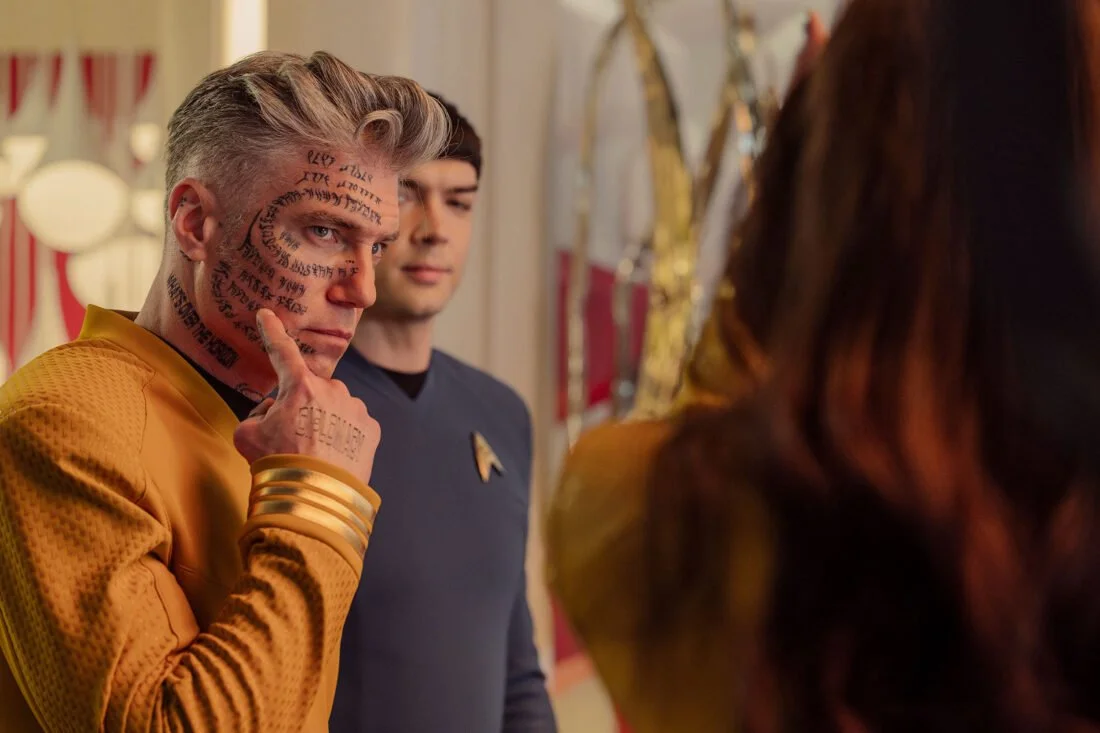
"A Case of Chiaroscuro"
The plot: Several crew members are trapped on a Klingon-occupied world after their shuttle is disabled, and must help the resistance oppose the Klingons. The world is in a unique solar system where everything is in black and white, and the technology of the world is 1920s retro-futurism.
The plot it appears to be repurposing: The movie, “Casablanca” and the Star Trek: Continues episode, “What Ships Ae For”
The verdict: I’m not sure if permission was asked, but the mechanism for everyone seeing in black and white seems like it was taken directly from the Star Trek: Continues episode “What Ships are For”, where radiation from the system’s sun interferes with the eye’s color receptors, causing people to see in black and white. That ST: Continues episode was excellent in that the black and white component was crucial to the plot. The plot of the Strange New Worlds episode itself is quite obviously Casablanca, right down to the recreation of certain scenes; however, I could absolutely see this as a Deep Space Nine episode, with Sisko and Dax in black and white and the Klingons replaced by Cardassians and Bajorans. I liked it. It was experimental but visually stunning, and it felt like something Deep Space Nine would do.
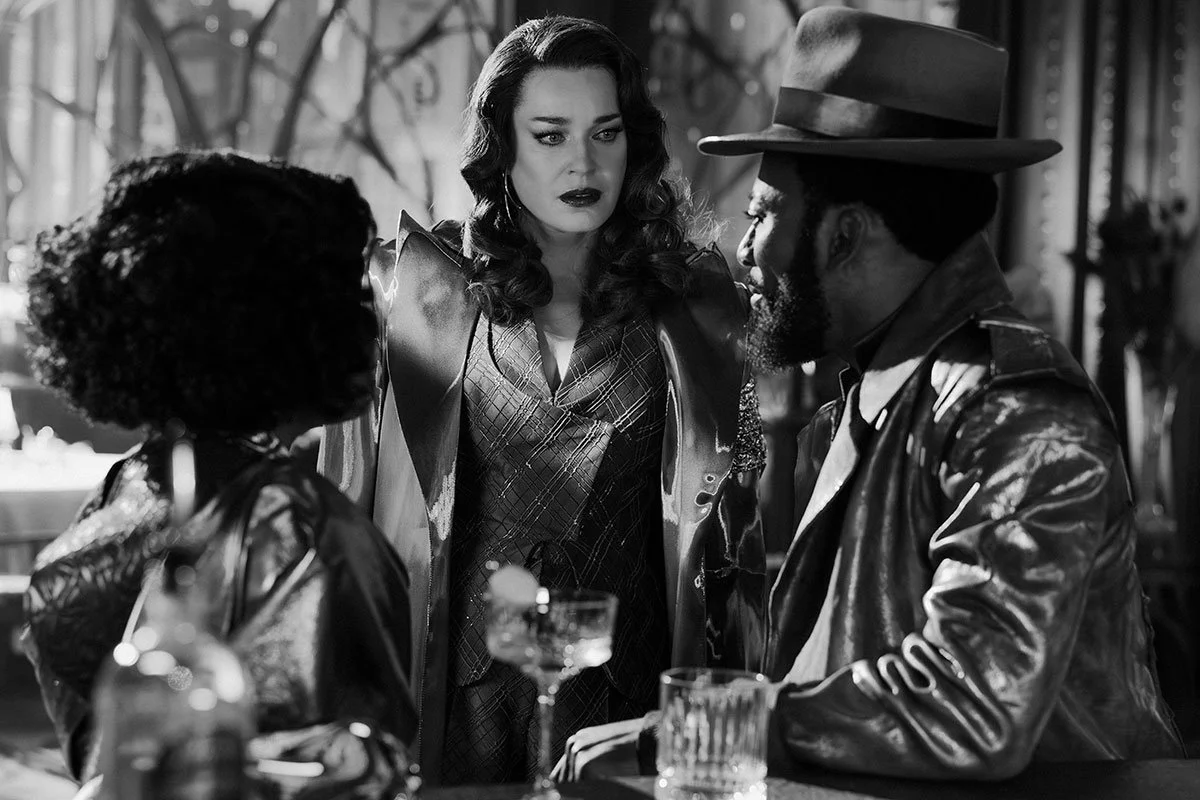
ST:SNW “A Case of Chiaroscuro”
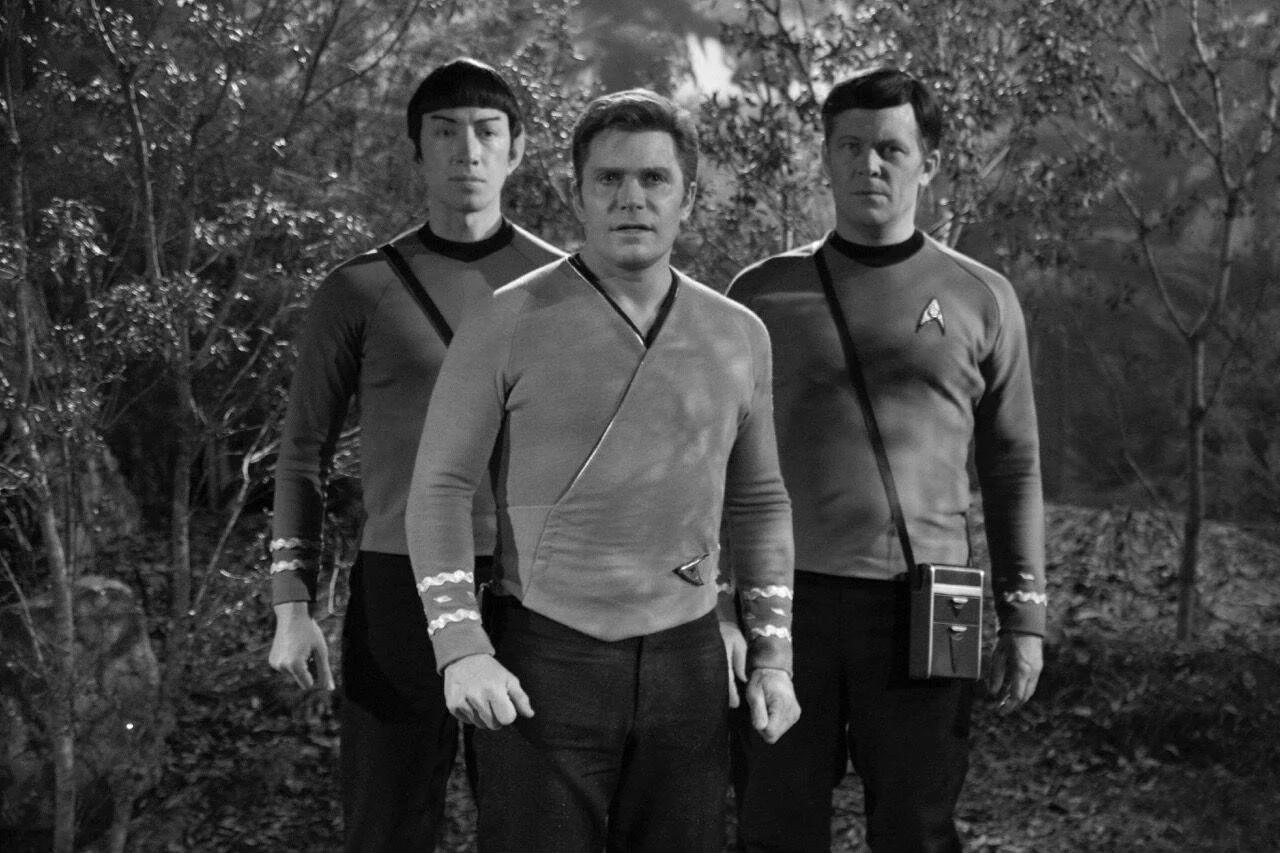
ST: Continues “What Ships are For”
"Level Five Transporter Accident"
The plot: Scotty pushes the transporter too far and through a strange malfunction transforms the entire crew, except Spock, into Muppets. Orion pirates take advantage of the situation to capture Enterprise.
The plot it appears to be repurposing: The Scrubs episode, “My ABCs”.
The verdict: Just not funny. It could have been funny. For example, I recently watched the Muppets reboot and had a silly grin on my face the entire time. For this Star Trek episode, I was deadpanned. There were a few glimmers of hope, such as the crew simply enjoying being in space without suits because they were puppets. When the crew realized they needed to stop thinking and acting like humans and instead use Muppet logic to defeat the Orions, I perked up, thinking it would take a clever turn, but their actual plan of just storming the bridge and Miss-Piggy-karate-chopping everyone wasn’t clever. It wasn’t helped by the Orion captain simply acting like she was oblivious to Spock actively walking around the bridge conspiring with the Muppets. The “it was all a dream” resolution was both a relief (that this didn’t seriously happen) and a let down (the lamest way to resolve a story).
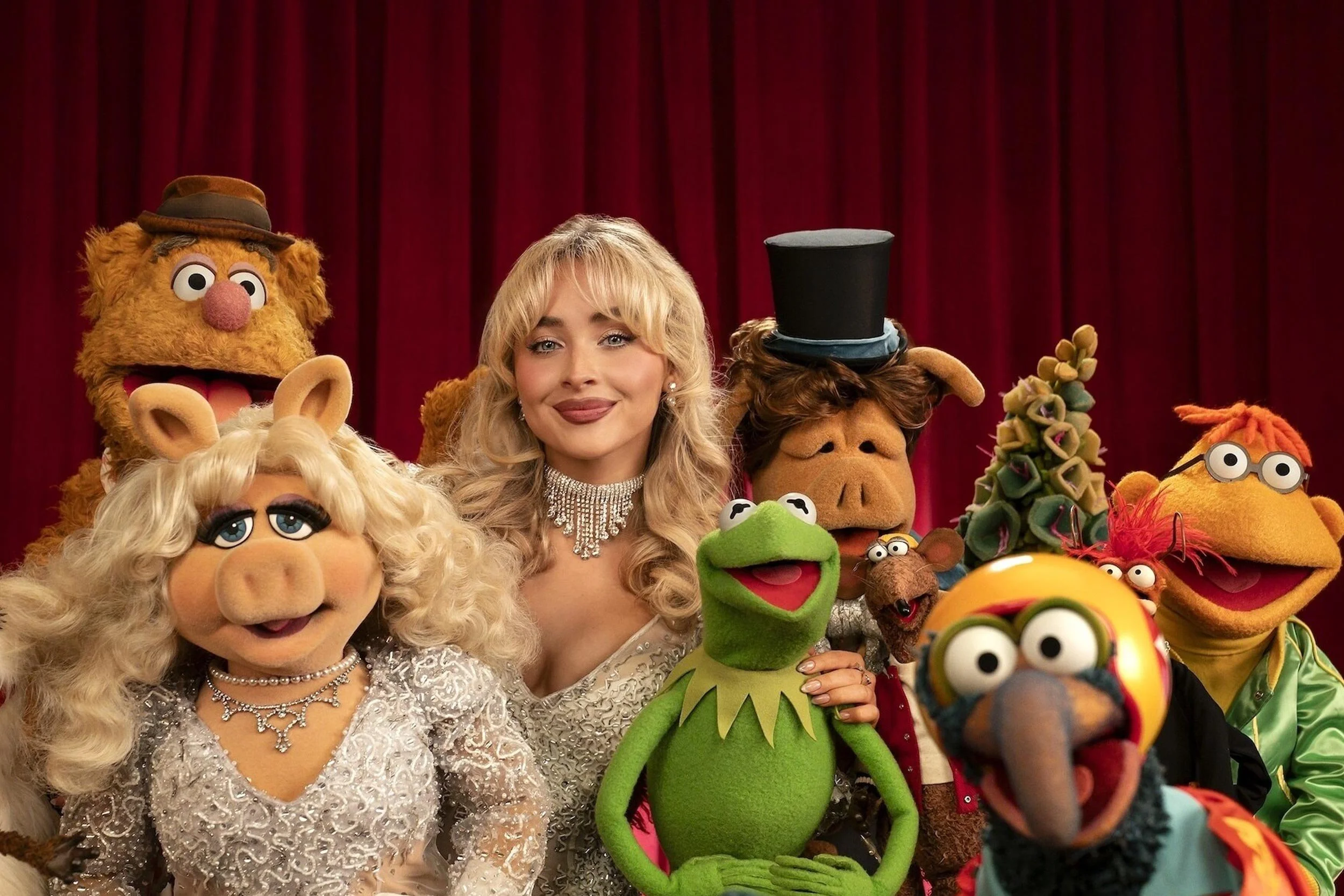
The Muppets reboot
(sigh)
In summary, and please hear me Star Trek writers, enough with the gimmicks. I follow Red Letter Media on YouTube and they often have conversations about what they want from Trek. I’m with them: I want the classic TNG setup of a professional crew of good people who consistently do the right thing to solve space problems and mysteries. Red Letter Media framed it well with a hypothetical series based on a smaller Federation starship with a crew of new characters that solves some mystery weekly. The plots don’t need to involve saving the universe and the characters don’t need to have convoluted back stories. Good people doing good things to make the galaxy a little better is classic Trek.