Thoughts on Dispatch
I am a sucker for narrative adventures. As I get older, I want video games that are less about fast-twitch mechanics and more about characters who make me feel something. I loved Detroit: Become Human and Baldurs Gate 3 for just these reasons. Detroit: Become Human has radically different acts based upon previous choices, and bad choices can get main characters killed off mid-story only to have the story evolve around their deaths. For example, Alice and Kara can spend the third act attempting to cross the Canadian border or attempting to escape from an android death camp. Or, perhaps neither because they both got killed escaping the freighter in act two.
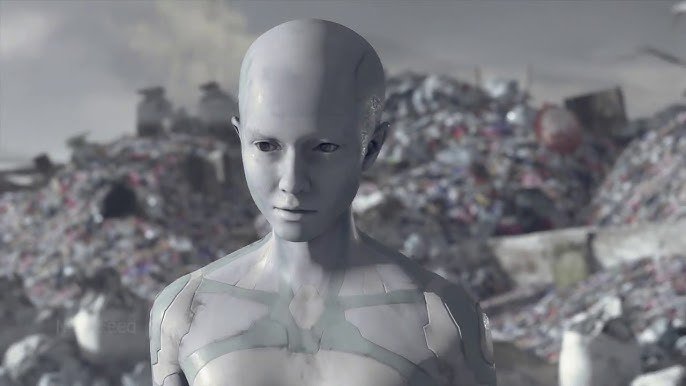
Kara in the android death camp
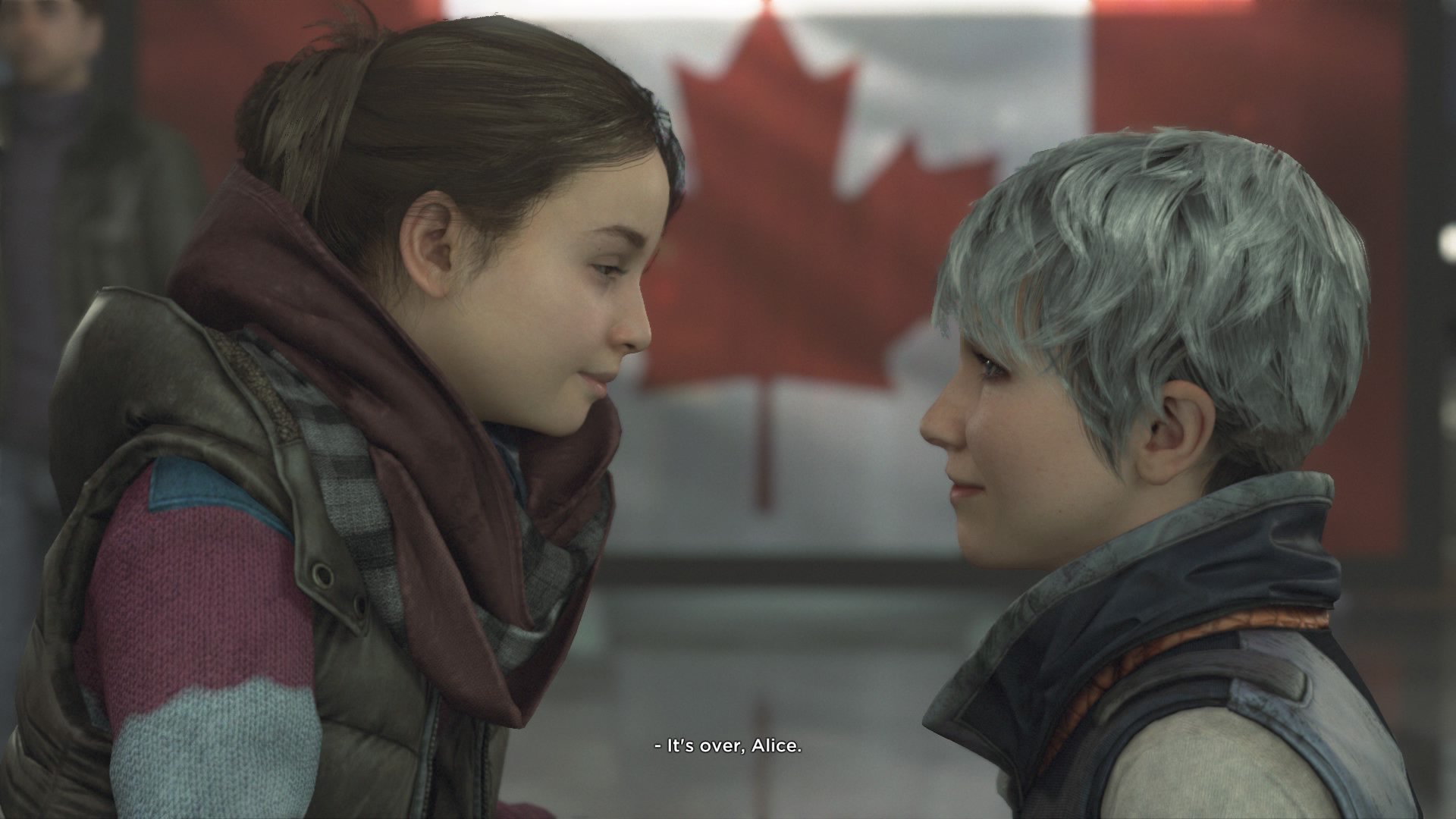
Kara and Alice at the Canadian border
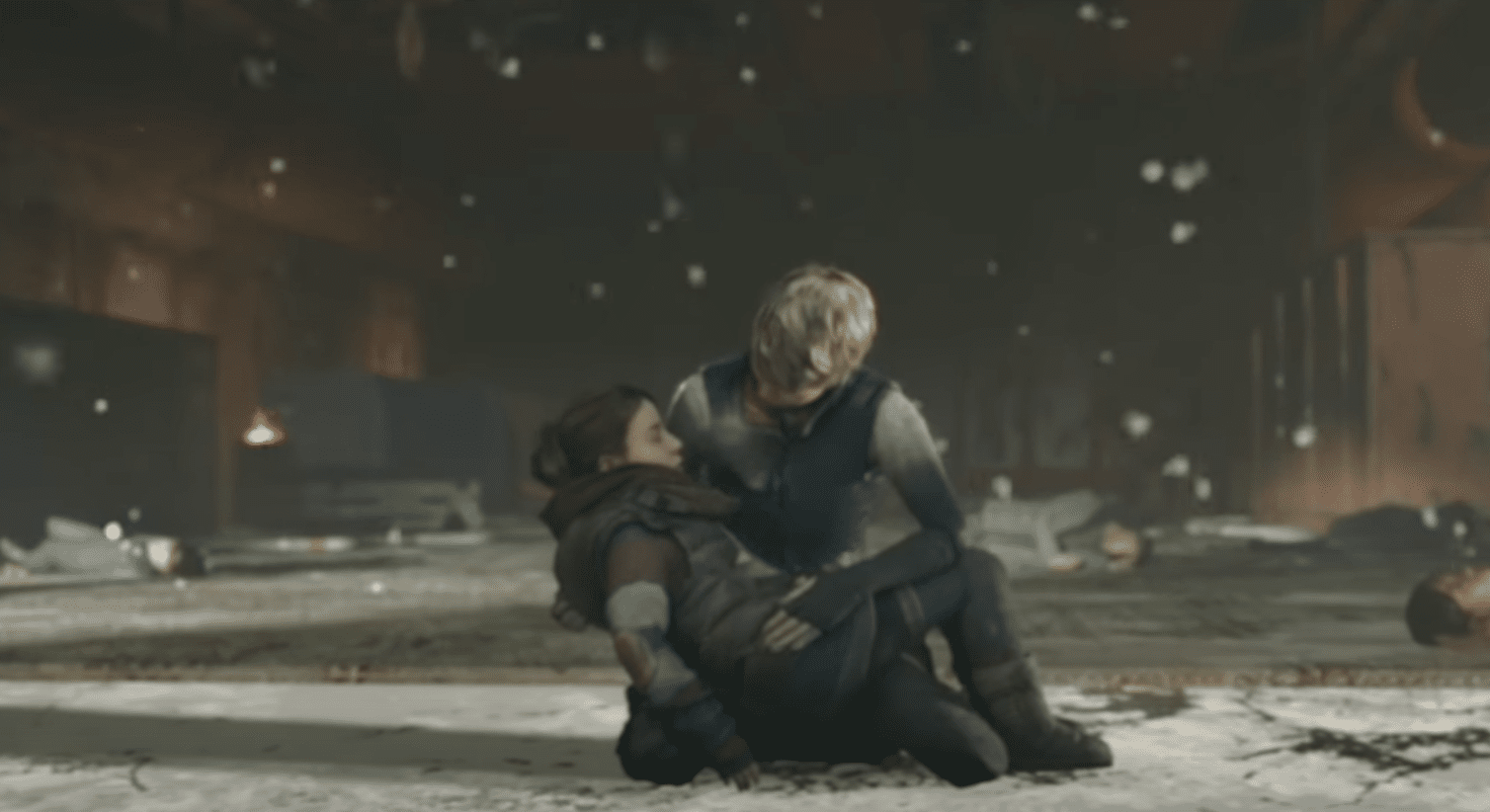
Kara and Alice are killed escaping the freighter
I’d seen Dispatch on Steam showing a normal looking guy standing at a urinal flanked by superheroes, and pondered what it was about, but it took a while for me to realize it was a choose-your-own-adventure animated series.
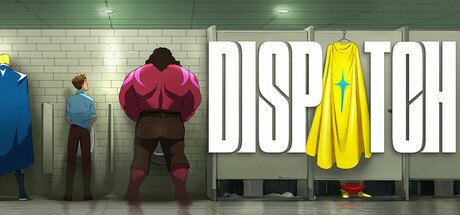
Dispatch is structured like a Netflix 8-episode mini-series, complete with credits and music at the end of each episode. There is a free demo, but it doesn’t do the game justice as the demo focuses mostly on the dispatching game play. Personally I think they should just have released Episode 1 as the demo. Nearly all of Episode 1 is narrative, with the exception of a short tutorial on dispatching and hacking.
Like any great series, Episode 1 starts with a strong hook and sets the stage: Your character, Robert Robertson, is the third-generation owner of an Ironman-like supersuit. When he dons it, he becomes Mecha Man. The story picks up in the middle of the action as Mecha Man is hunting down the supervillain, Shroud, who killed his father (the former Mecha Man). Shroud is one step ahead of him, and after an epic battle the Mecha Man suit is destroyed. An injured Robert Robertson, still in superhero costume, gives a defeated press conference where he admits he is unable to repair the suit and his superhero days may be over. A short time later, Robert attempts to stop some looters, sans powers, and gets stomped, before a flying superhero named Blonde Blazer comes to his rescue.
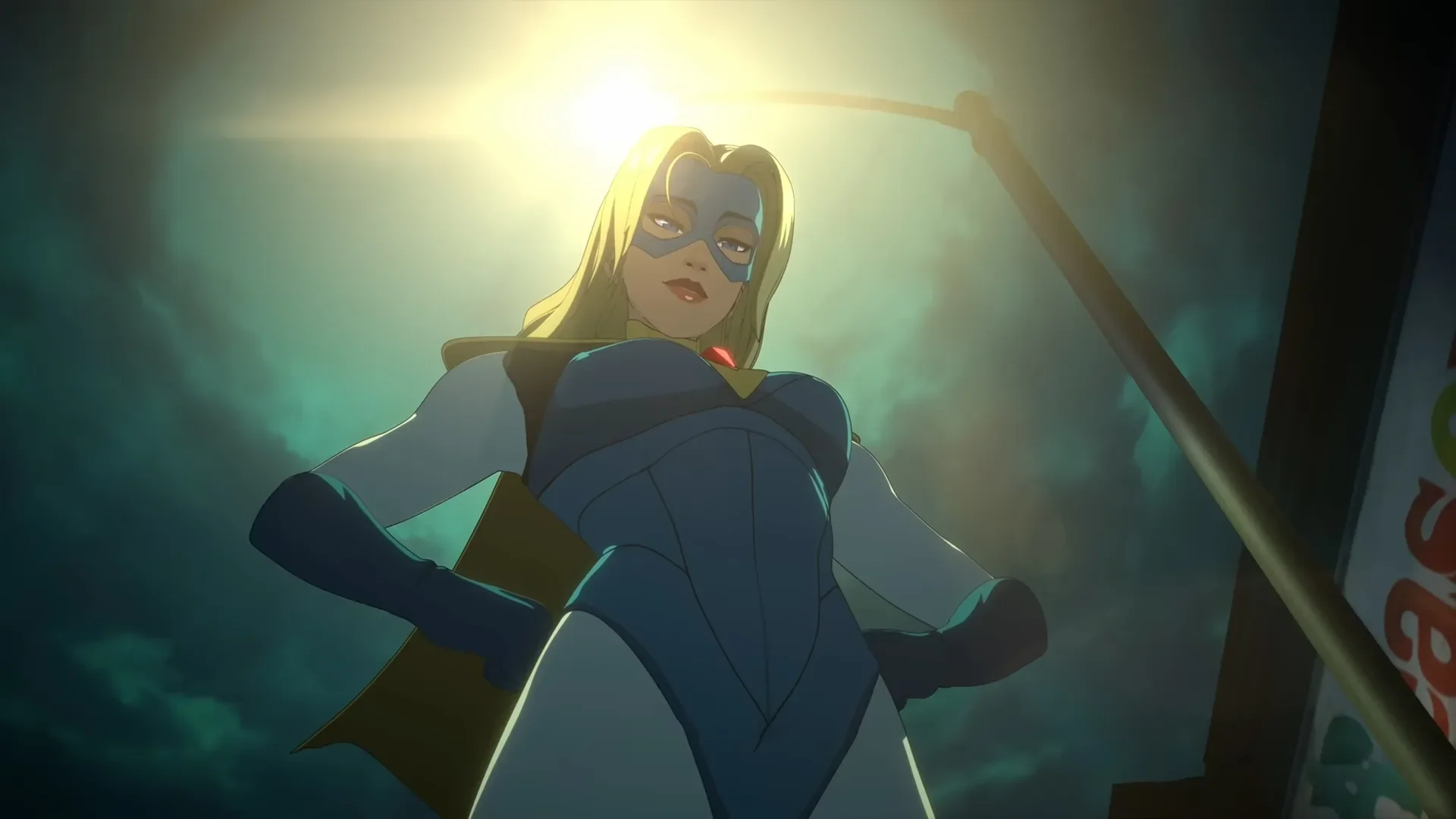
She invites him to a superhero bar before taking him on a Lois-and-Clark-like flight over the city.
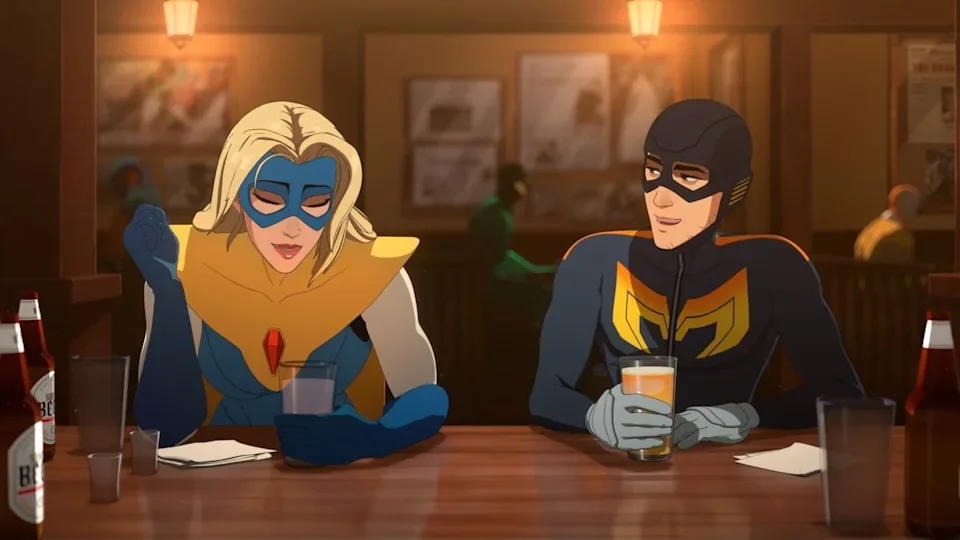
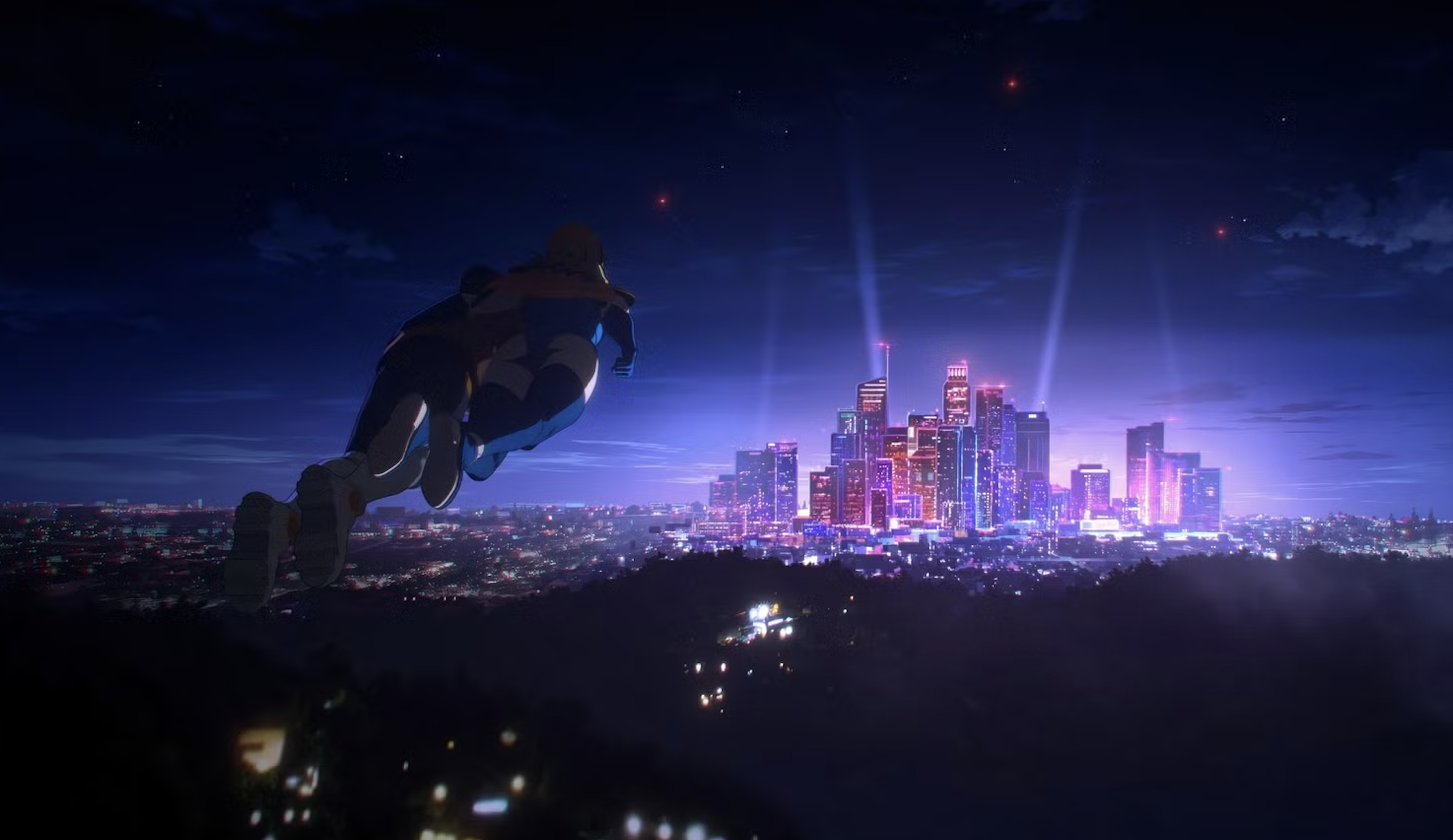
As the two sit on a billboard, she makes him an offer he can’t refuse: come and work for the Superhero Dispatch Network as a dispatcher (a 911 operator for superheroes) and SDN will repair his Mecha Man suit. What she doesn’t initially tell him is that he will be managing the Bad News Bears of superheroes - a group of former supervillains who were given second chances via the Phoenix program. His entire team is at rock bottom of the leaderboards. Much like Ted Lasso, his job will be to turn a team of I’s into a team of We’s.
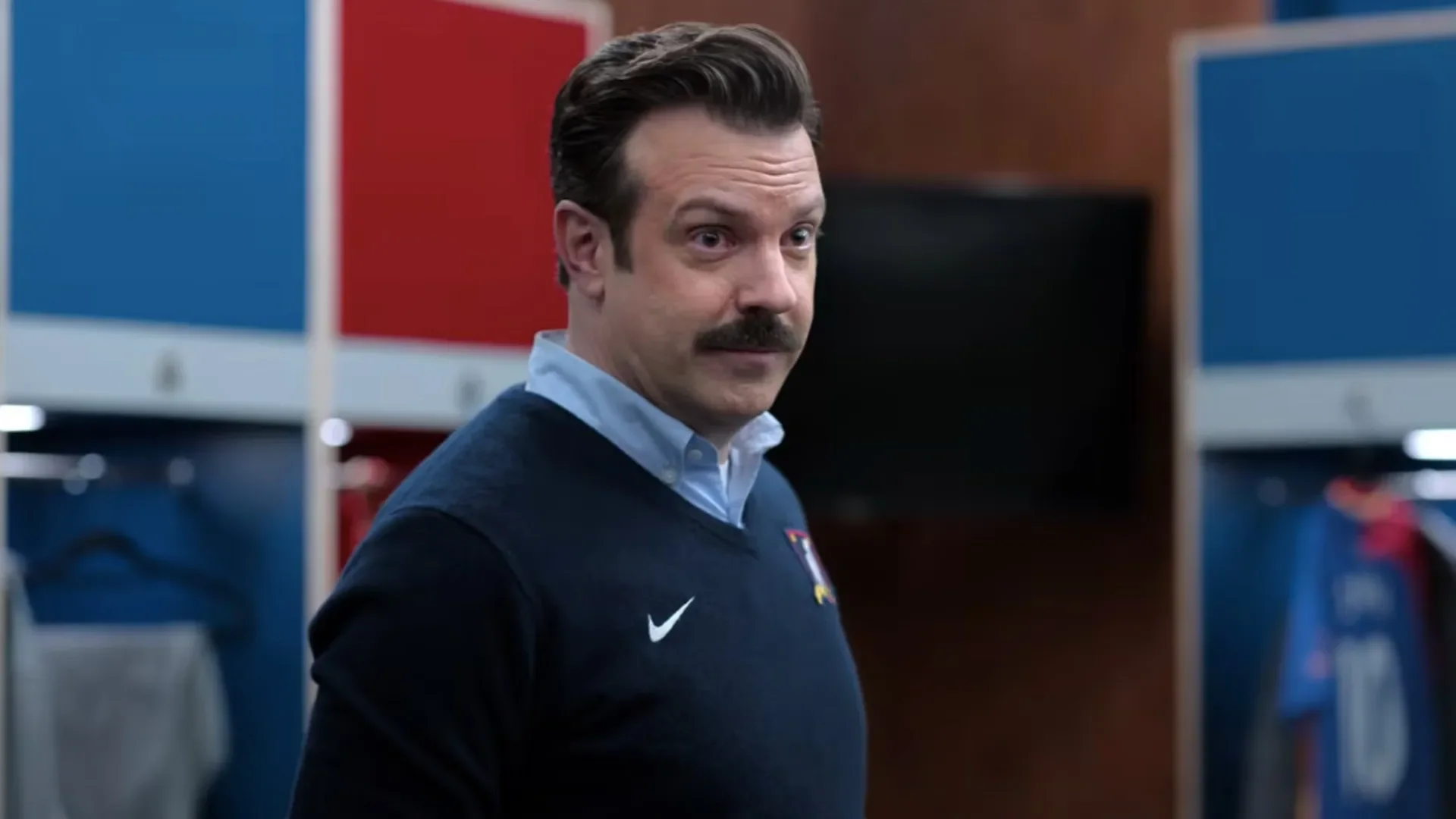
Ted Lasso will make you Believe, and so will Robert Robertson by the end of Dispatch
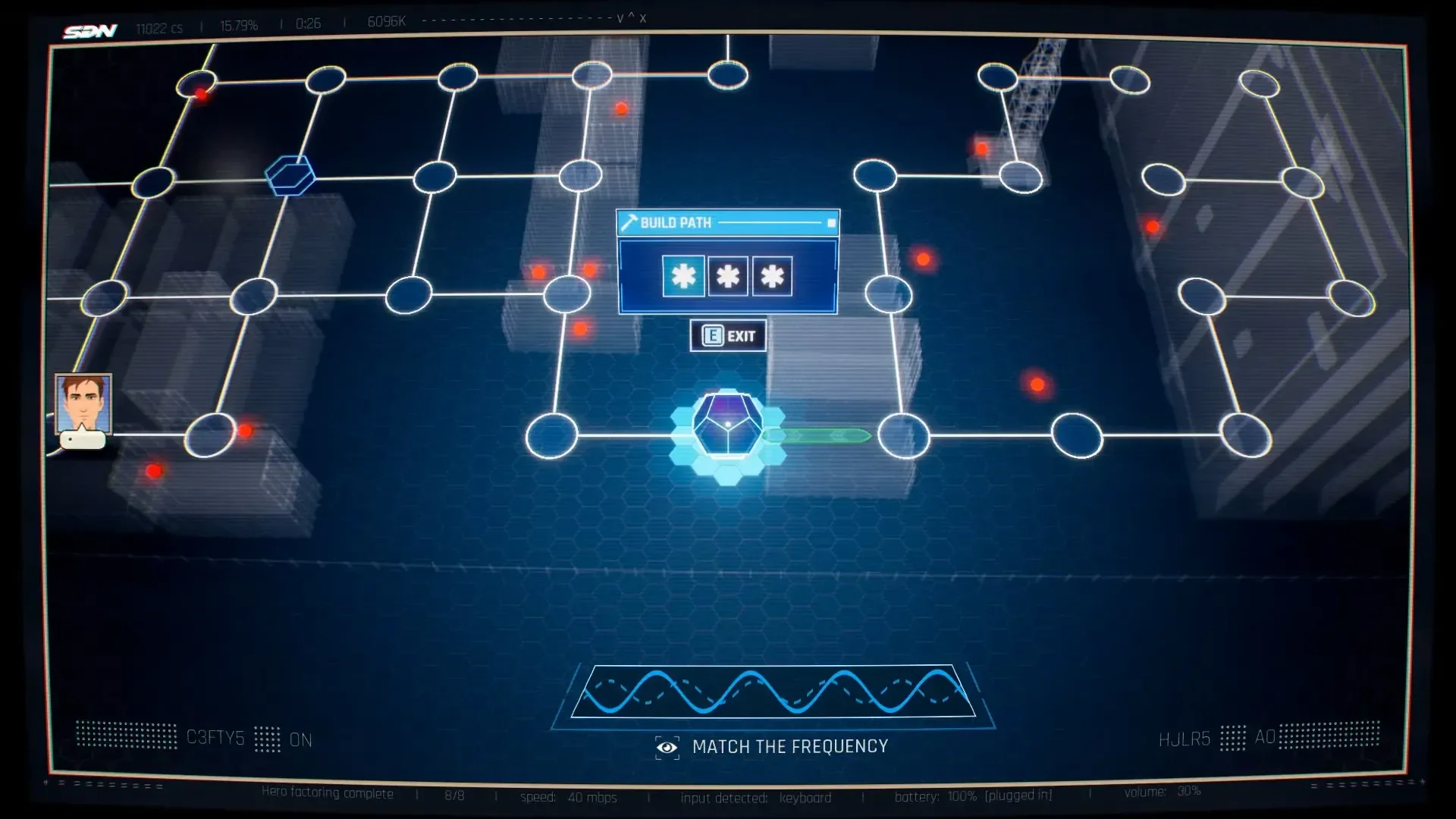
What ensues are eight episodes following Robert on his hero’s journey to get his supersuit back. Along the way he will unite his team, possibly find romance, and in the end confront the supervillain Shroud. The middle of each episode is filled with dispatching, which is a fairly easy mini game where calls come in and you choose the best hero for the job. There’s some crew resource management since heroes may be tied up with other calls and if you send too many to ensure success you may not have anyone left. Some calls and cutscenes require you to hack systems. The hacking mini game is fun and intuitive, solving easy logic puzzles as you move through nodes with the arrow keys.
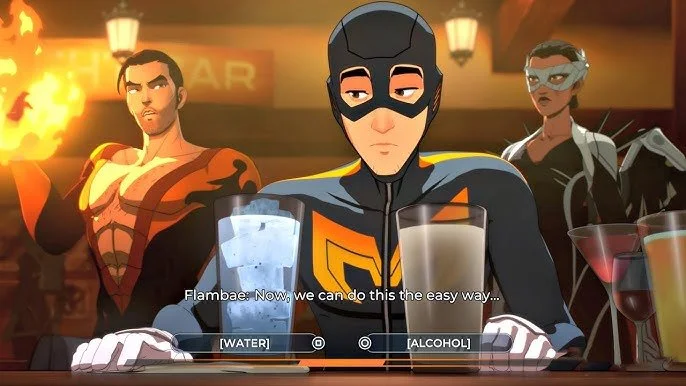
The meat of the game is the interactive cut scenes, however, where you are given choices at junctures.
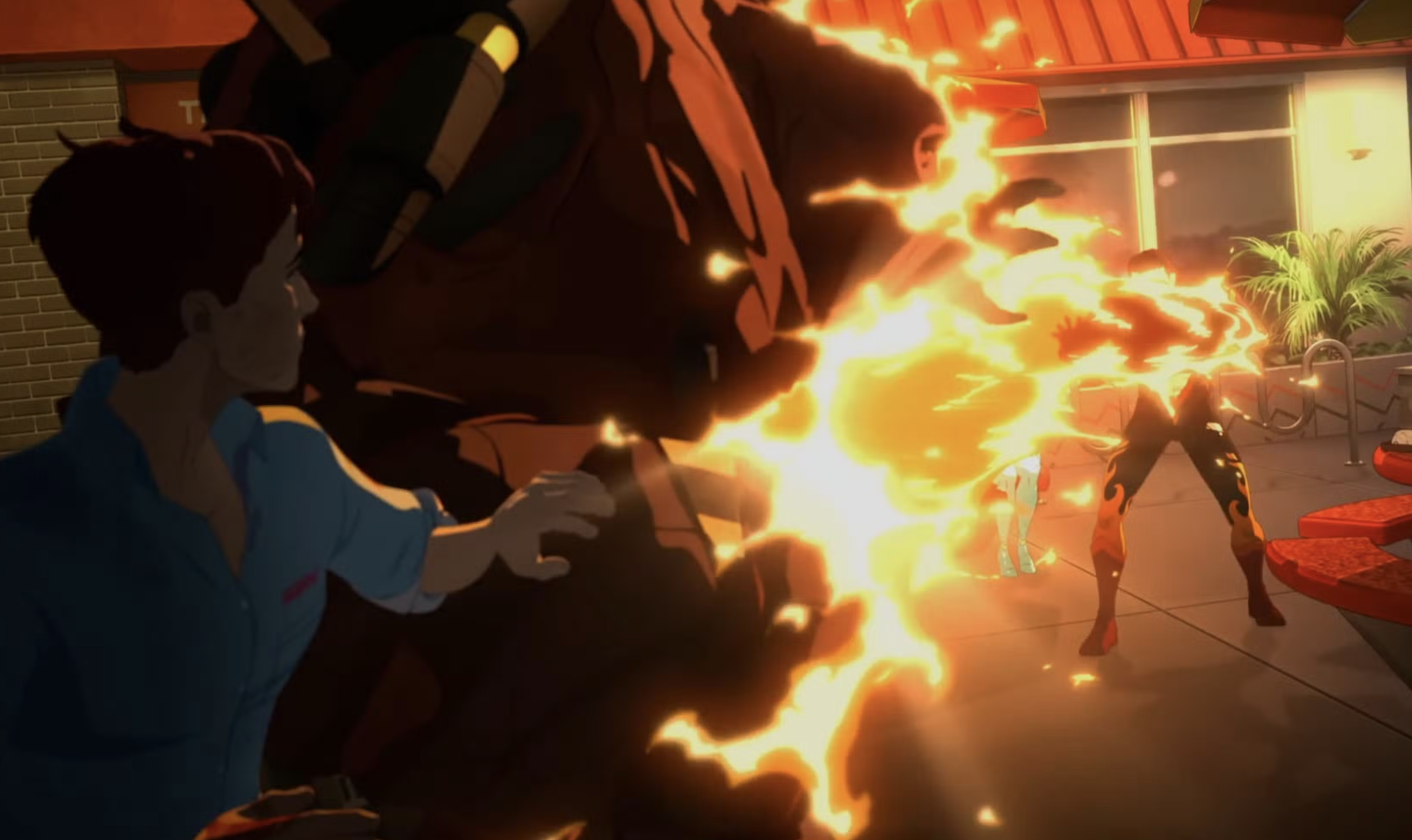
Occasionally there are quick time events that require you to click or move the mouse a certain way at key moments. Unfortunately neither the dispatching nor the hacking nor the QTEs affect the outcome of anything other than achievements. You can fail every dispatch and hack and the plot continues on the same.
The story is exceptional. The characters, writing, dialogue, and voice acting are all S-tier, with Robert voiced by Breaking Bad’s Aaron Paul. You really become attached to the characters. The humor is pervasive and well done, and you look forward to the clever quips. The writing is so good that there is a mid-series scene where a key character sacrifices themselves in a truly heroic way that literally brought a tear to me eye. Here I am, watching a superhero cartoon, getting choked up. When you do make choices in the game, the writing always makes you feel like it was the right choice. For example, at one point you must choose whether to reveal you are Mecha Man to your team. If you chose no, Robert gives an inspirational speech about it not mattering who we were, but it’s about who we are now. If you chose yes, your team defends you when one of them becomes enraged. Both options show your team coming around to viewing you as one of them.
The downside is that both options show your team coming around. The only real consequence is that the enraged team member sits out the next dispatch. Your team ends up finding out anyway when another character outs you. This is the main weakness with Dispatch. Like Telltale games, all choices often result in the same outcome, just with slight differences in dialogue. There is no way to fail Dispatch. You can’t lose the game, you will always get to the confrontation with Shroud at the end, and your choices only really affect a few things:
Your romance choice
Whether a key team member redeems themselves
Some minor ending variations about which villains go to jail
Your post-credit achievement as Hero, Everyman, or Anti-Hero, reflecting if you took good, neutral, or bad options
Where the choices have the most impact is what cut scenes or dialogue you may see. So, choices are mainly about the game experience. Romancing Blonde Blazer doesn’t change anything in the game, but it does give you a truly epic dinner date kiss scene with eighties synth music raging, which was one of the most memorable scenes in the game for me.
That being said, I absolutely loved Dispatch. For all eight episodes, I had a goofy smile as I played. At the end, I hoped it would be an actual tv series (and I still hope there will be a Dispatch season two). Even though the illusion of choice was high, it never felt like that, and I always felt like I was in Robert’s shoes picking the path forward. The final episode delivered on the setup with an epic battle that was simply perfect.
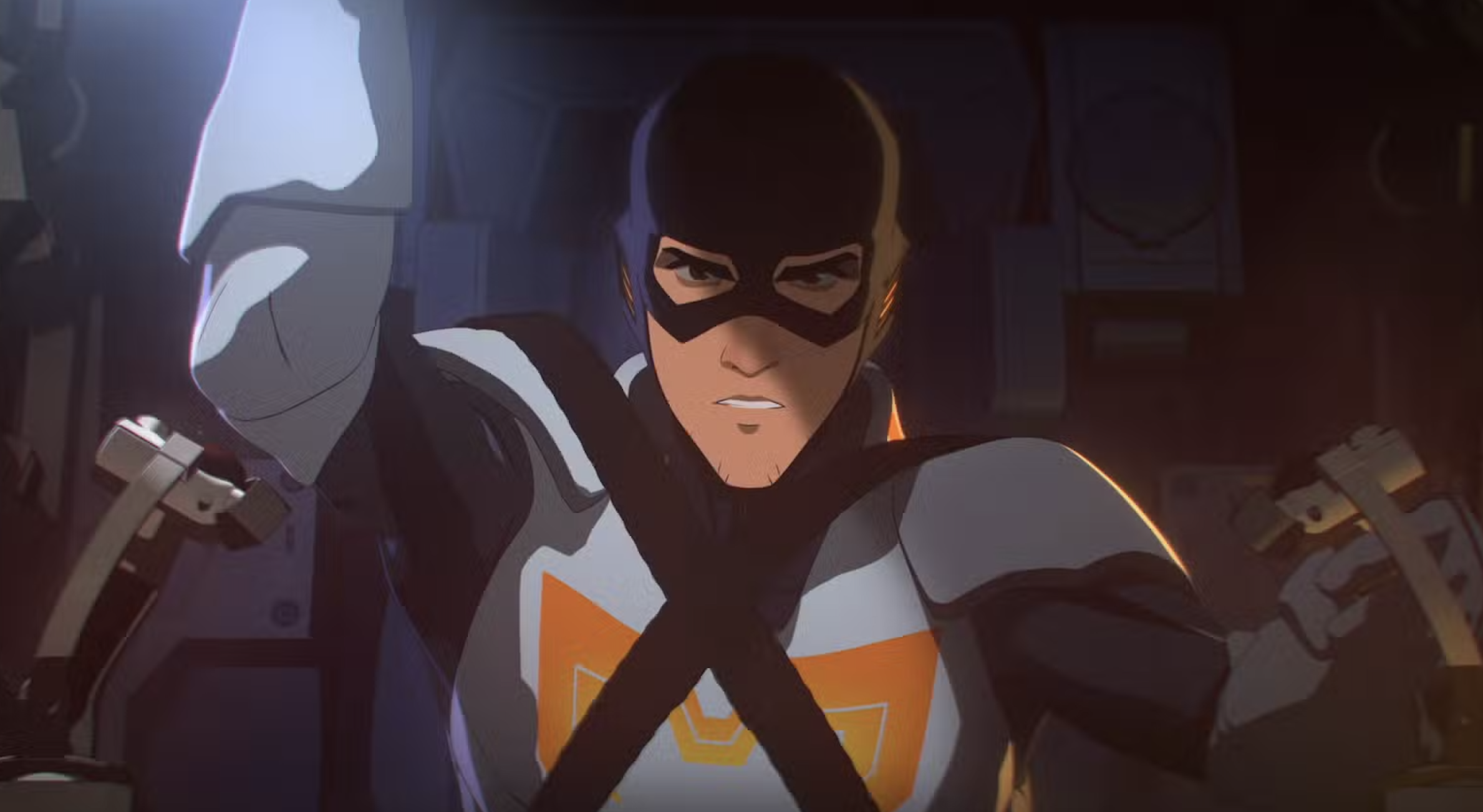
I should note that Dispatch is a very solid R-rated game, much like watching the Boys or Watchmen. Profanity and sexual innuendo is pervasive and a few episodes have both male and female nudity. The very first episode has a male villain who is completely naked, Dr. Manhattan style, who has a prolonged fight with Mecha Man. There is an option to beep profanity and censor (with black rectangles) nudity, but even with it on there are still lower-tiered uncensored swear words and relentless sexual talk. As an adult this doesn’t bother me, but if you’re planning on playing the game with or getting it for a child, keep in mind that even the censored version has graphic sex talk.

Superhero wardrobe malfunction, with the game’s nudity censor turned on, which puts black boxes over images
So, if you’re an adult (or at least a 16+ teenager) who loves story-driven games, I highly recommend Dispatch.